
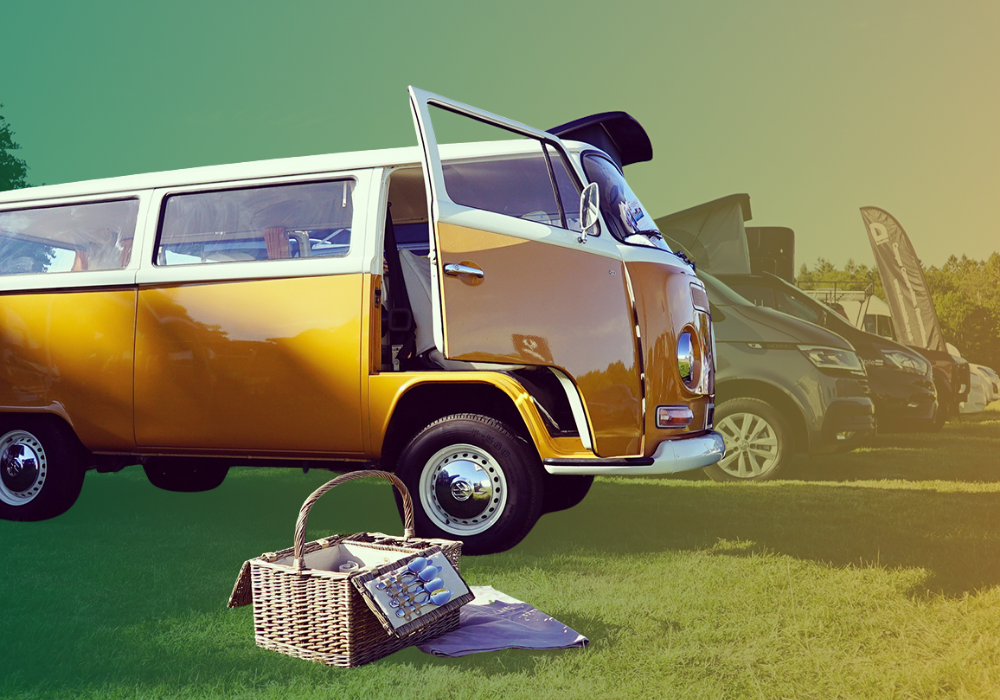
1. The Origins of Dormobile (1950s)
Dormobile began in the 1950s as a British conversion company, originally part of Martin Walter Ltd. Their goal was simple: transform everyday vans into practical vehicles for work and leisure. As camping holidays became more popular in post-war Britain, Dormobile quickly adapted their designs to suit life on the road.
- The name "Dormobile" comes from "dormire" (to sleep) and "mobile".
- The iconic side-lifting roof became their trademark feature.
- Dormobile conversions weren’t limited to one brand – they worked on Bedford, Ford, Land Rover and more.
2. The Iconic Roof Design
One of Dormobile’s most recognisable innovations was its side-elevating roof. Unlike rear pop-tops seen on many modern campers, Dormobile roofs lifted sideways, creating standing room and space for bunk beds. This clever use of space made them ideal for families and long-distance travellers.
3. Expansion Across Vehicle Platforms
Throughout the 1960s and 70s, Dormobile conversions appeared on a wide range of vehicles. From Bedford CA vans to Land Rover utility vehicles, their adaptability made them hugely popular. This flexibility helped Dormobile stand apart from manufacturers tied to a single base vehicle.
4. The Golden Age of British Camping
As seaside holidays and road trips surged in popularity, Dormobile became synonymous with British adventure. Their campers were practical, durable, and perfectly suited to winding country roads, coastal getaways, and family holidays.
5. Decline and Changing Times
By the late 1970s and 80s, the campervan market began to change. Factory-built motorhomes and international competition grew, and Dormobile’s influence gradually declined. However, their designs remained respected for their innovation and simplicity.
6. Legacy and Modern Appreciation
Today, Dormobile campervans are cherished classics. Enthusiasts restore and preserve them, celebrating their unique design and British heritage. The distinctive roof and clever interiors still inspire modern camper conversions.
Final Thoughts
Dormobile represents a time when campervans were built with creativity, practicality, and a spirit of adventure. More than just conversions, they helped shape the culture of road travel in the UK — proving that great design doesn’t need to be complicated to be iconic.
Explore Our Campervans






 Spidersnet