
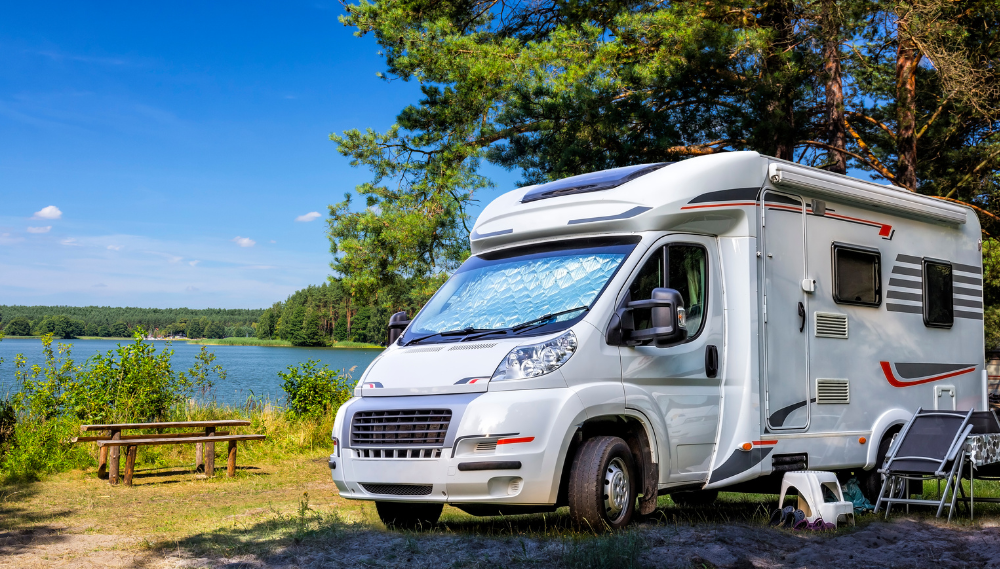
1. Get to Know Your Motorhome
Before you plan your first big trip, spend some time getting familiar with your new home on wheels.
- Learn the basics - Understand your vehicle’s size, height, and weight limits. Many UK roads (especially rural ones) have low bridges or narrow lanes, so knowing your dimensions is essential.
- Check your systems - Get comfortable with your gas, water, and electrical setups. Practice filling and emptying tanks, connecting to electric hook-ups, and using your heating system.
- Drive it often - Take a few short drives locally to get used to the handling, especially if it’s larger than your previous vehicle.
Remember: The more you know about your motorhome before you travel, the smoother and safer your adventures will be.
2. Plan Your First Motorhome Trip in the UK
When you’re new to motorhome travel, starting close to home is a smart move. It gives you the chance to test everything out, from setting up at a campsite to managing water and power.
We've already covered some of the best destinations for first time owners:
- The Cotswolds - Gentle roads, beautiful villages, and excellent campsites.
- The Lake District - Perfect for scenic drives and short hikes.
- North Norfolk Coast - Flat, quiet routes and coastal charm.
- Snowdonia - Great for a mix of mountains and adventure.
3. Learn the Basics of Motorhome Maintenance
A well-maintained motorhome means fewer surprises on the road.
- Check your tyres before each journey; including the spare.
- Inspect seals and windows regularly to prevent leaks.
- Drain water tanks before winter to avoid freezing.
- Test your leisure battery and electrical systems often.
- Keep your motorhome clean, inside and out, dirt and damp can cause long-term damage.
It’s also worth booking an annual habitation check to make sure your gas, water, and electrics are all in safe working order.
4. Know Where You Can Park and Stay Overnight
In the UK, wild camping with a motorhome is restricted; you generally need landowner permission to park overnight outside of official campsites.
To stay on the right side of the law (and enjoy a good night’s sleep), use:
- Campsites and holiday parks - With electric hook-ups, showers, and amenities.
- Brit Stops - A great UK scheme where pubs, farms, and attractions let you park overnight for free if you’re self-contained.
- Club sites - The Caravan and Motorhome Club or Camping and Caravanning Club both offer reliable facilities and member discounts.
Apps like Park4Night and Search for Sites are fantastic tools for finding motorhome-friendly stops across the UK.
5. Manage Power, Water, and Waste Efficiently
Getting to grips with your van’s utilities is one of the key steps in motorhome ownership:
- Water: Keep your fresh and waste water tanks topped up and emptied regularly. Use designated service points at campsites.
- Gas: Always carry a spare gas bottle and know how to safely connect or replace it.
- Power: Your leisure battery powers lights and small appliances, but hook up to campsite electricity for heavier use (like heating or kettles).
- Waste: Always empty your toilet cassette and grey water at proper disposal points, never in drains or natural water sources.
Once you’ve got these basics down, you’ll be ready for longer trips and more freedom.







 Spidersnet