
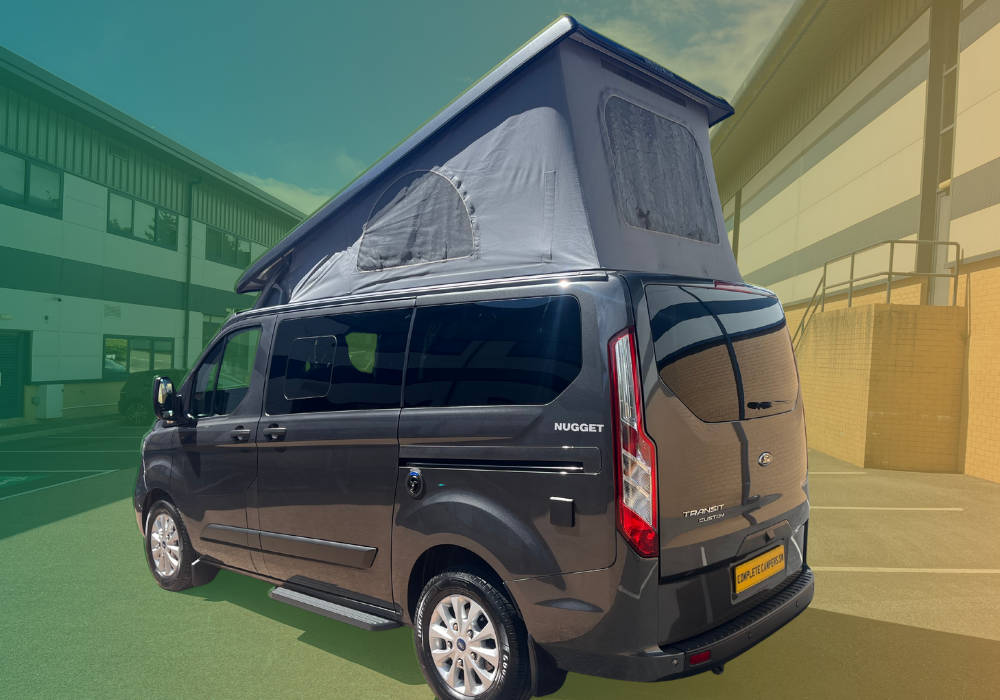
1. What Is A Pop-top Roof?
A pop-top roof is a hinged extension that lifts up, usually on gas struts or electric mechanism to provide extra standing height and sleeping space. When lowered, it maintains the campervan’s compact profile, making it ideal for both city and countryside adventures.
Tip: Always keep the pop-top mechanism well-lubricated and check the fabric for wear, this prevents leaks, squeaks, and ensures smooth operation for years of worry-free camping.
2. What Are The Pros & Cons of A Pop-top Roof
Pros:
Low Profile: When closed, the pop-top keeps your van's height close to standard, making it easier to park in height-restricted areas and travel under low bridges or ferry decks.
Extra Space: Once opened, it creates a spacious feel with standing room, perfect for cooking, changing clothes, or just stretching out.
Additional Sleeping Area: Many pop-tops include a bed platform, turning your 2-berth van into a 4-berth with ease.
Improved Fuel Efficiency: Because they sit low when closed, aerodynamic drag is significantly less than fixed high-tops.
Cons:
Reduced Insulation: Compared to solid roofs, pop-tops may offer less insulation, making them colder in winter.
Noise: Fabric sides can be noisy in windy conditions.
Maintenance: Pop-tops may require more maintenance due to their moving parts and potential for wear over time.
3. What Is A High-Top Roof
A high-top roof replaces the original flat roof with a permanent, insulated shell, offering consistent standing height and additional storage space.
4. What Are The Pros & Cons of A High-Top Roof
Pros:
Consistent Headroom: Provides full standing height throughout the van, enhancing comfort during daily activities.
Superior Insulation: Solid construction offers better thermal efficiency, keeping the van warmer in winter and cooler in summer.
Increased Storage: The permanent structure allows for overhead cabinets, shelving, or even a second sleeping area, making it ideal for longer trips or full-time living.
Durability: Less prone to wear and tear compared to pop-tops, leading to potentially lower maintenance needs.
Cons:
Increased Height: The permanent elevation may limit access to certain parking areas with height restrictions.
Reduced Stealth: The van's taller profile makes it more noticeable as a camper, which may be a concern for stealth camping.
Aerodynamics: The added height can increase wind resistance, potentially affecting fuel efficiency.
5. Which Roof Is Best for You?
Choose a Pop-top Roof if:
You value a compact van for city driving and parking.
Stealth camping is a priority.
You prefer a lighter, more affordable option.
You're looking for flexibility with additional sleeping space when needed.
Choose a High-Top Roof if:
Full-time or extended travel is your goal.
Consistent comfort and insulation are essential.
You require ample storage space for gear and belongings.
You're willing to trade some stealth for added functionality.
Final Thoughts
Both pop-top and high-top roofs have their unique benefits. Your choice should align with your travel style, comfort preferences, and specific needs. Consider how you plan to use your campervan, where you'll be traveling, and what features are most important to you.
If you need further assistance in selecting the right roof for your campervan conversion, feel free to ask.
Find Us








 Spidersnet