
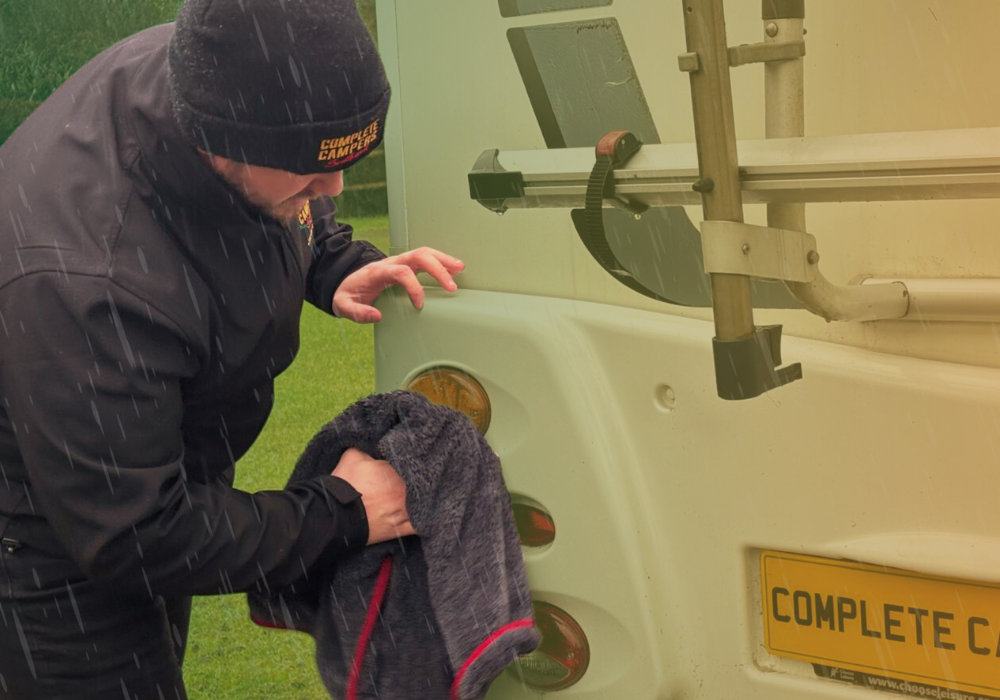
Winterising Basics
Essentially, winterising your motorhome or caravan is preparing it for cold months, whether it will be used or not. Some steps may need repeating after each winter trip, especially if time passes between outings.
- Empty unnecessary items and valuables from the vehicle.
- Thoroughly clean the interior and exterior, paying attention to bathrooms, kitchen, and storage areas.
- Top up washer fluid, check coolant levels, and fill with the correct antifreeze mixture. Fill the fuel tank to prevent corrosion.
- Ensure tyres are fully inflated and rotate occasionally to prevent flat spots.
- Cover vents to prevent insects or use winter covers if available.
- Lubricate locks and hinges (WD40 works well).
- Apply a tank cleaner after emptying water tanks to prevent odours.
- Leave the motorhome in gear, handbrake off, and park on a flat surface.
- Use security deterrents or alarms before leaving.
- Place a breathable, dry cover over your vehicle, repairing any holes first.
Cleaning Your Motorhome or Caravan
- Ensure no food remains in the fridge, freezer, or cupboards.
- Leave fridge/freezer doors ajar for ventilation.
- Remove soft furnishings if possible; if not, stand cushions upright to reduce mould risk.
- Wipe and disinfect surfaces, especially the bathroom and kitchen.
- Wind out awnings and let them dry completely before retracting.
Draining the Water System
Water left in pipes and tanks can freeze, causing costly damage. Drain all components including taps, shower heads, toilets, pipes, valves, water heaters, and tanks.
- Open all drain taps and valves; leave mixer taps central.
- Remove and dry shower head.
- Drain fresh water via system drain valve and run pump briefly; disconnect and remove filter cover.
- Empty external pumps and containers.
- Ensure waste water and toilet flush supply tanks are empty.
- Drain boiler system per manufacturer instructions.
Tip: Empty tanks at the campsite on your last trip and leave open on the journey home to shake out remaining water.
Looking After Your Leisure Battery
Leisure batteries can discharge fully in 2–3 weeks if not trickle charged, causing permanent damage. Options include:
- Disconnect and store batteries at home (caravans).
- Use a trickle charger to maintain charge.
- Drive the motorhome regularly or use solar panels to keep batteries charged.
- If security systems rely on the battery, isolate other electrical equipment and store in a ventilated, dry area.
Disconnect the Gas
Close all valves and remove cylinders, storing in a ventilated area away from heat or flammable materials. Shut off onboard tanks using the built-in valve.
Get Winterising Advice







 Spidersnet